Value Dry Basement Waterproofing helps homeowners understand what is happening below the surface. With a free inspection, you can get clear answers before the damage spreads.
What Foundation Damage Can Look Like
Foundation damage does not always start with a dramatic crack. Sometimes it begins with a door that sticks. Other times, you may notice drywall cracks near windows or corners.
Basement walls can show horizontal cracks, vertical cracks, stair-step cracks, or bowing. Floors can crack, slope, or separate from walls. Outside, brick cracks, leaning chimneys, and gaps around windows can signal movement.
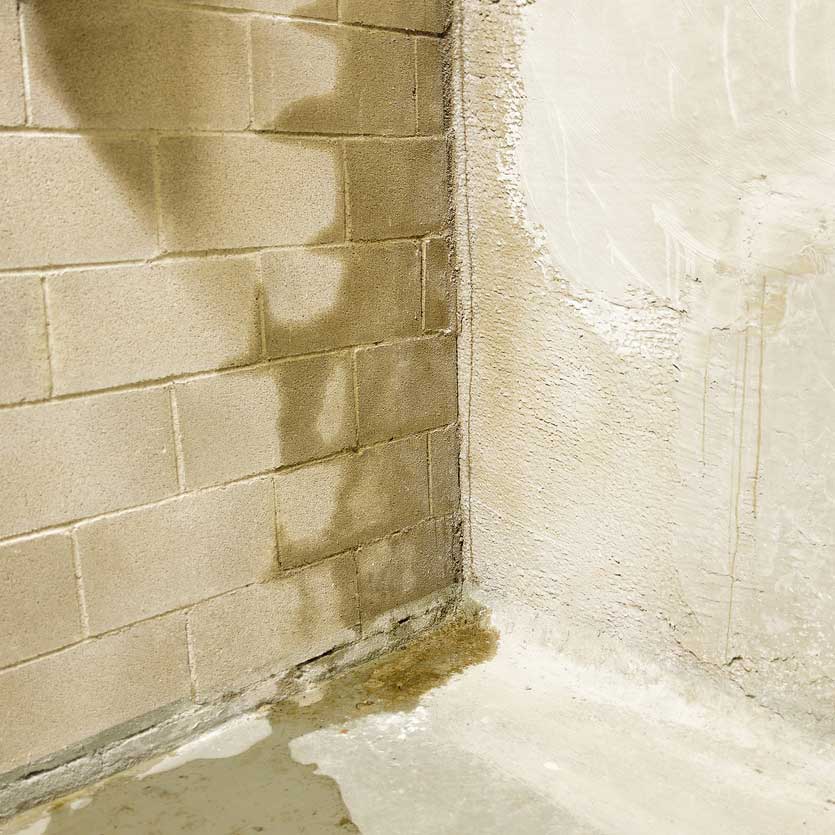
Water signs matter too. Efflorescence, damp spots, musty odors, and rust can point to moisture movement. If you see water at the wall and floor joint, pressure may be building outside.
Common Causes Of Foundation Problems
Soil movement causes many foundation issues. Clay soil expands when wet and shrinks when dry. That constant movement can stress walls, slabs, and footings.
Poor drainage makes the problem worse. Gutters, downspouts, grading, and flower beds all affect foundation moisture. When water collects near the home, pressure increases against the structure.
Tree roots can also affect foundations. Large trees may pull moisture from the soil near footings. Aggressive roots can lift walks, shift soil, or exploit existing cracks.
Construction age matters as well. Older homes may not have modern drainage or waterproofing systems. Even newer homes can settle when the soil compacts after construction.
Hydrostatic Pressure And Your Foundation
Hydrostatic pressure is water pressure in the soil around your home. When the ground becomes saturated, water pushes against the basement walls and floors. That force looks for weak points.
Concrete and block can resist pressure for years. However, repeated pressure can widen cracks and stress joints. Eventually, water may seep through walls, floors, or the cove joint.
The cove joint is where the wall meets the floor. Many homeowners assume the wall is leaking. Yet water can also rise from below the slab.
That matters during repairs. If the floor is part of the problem, wall crack repair alone may fail. A complete inspection helps identify the real entry points.
Types Of Foundation Cracks
Not all cracks mean the same thing. Some are cosmetic. Others point to pressure, settlement, or structural movement.
Vertical cracks often happen as concrete shrinks or settles. They may leak during heavy rain if water reaches them. Some vertical cracks can be repaired with targeted sealing.
Horizontal cracks deserve faster attention. They can signal soil pressure pushing a basement wall inward. Bowing walls often appear with horizontal cracking.
Stair-step cracks usually follow mortar joints in block or brick. These cracks may point to settlement or uneven movement. If they grow wider, schedule an inspection quickly.
Floor cracks can also leak. Water vapor and seepage can rise through slab cracks during pressure events. Damp floors may signal groundwater beneath the basement.
Walls Are Not The Only Leak Source
Basement leaks do not always come through wall cracks. Water can enter through the floor, sump pit, window wells, or stairwells. It can also appear at pipe penetrations.
Water coming up through the floor often shocks homeowners. This usually happens when groundwater pressure rises below the slab. Since concrete is porous, moisture can move through it.
Finished basements hide these signs. Carpet, vinyl, drywall, and trim can cover early moisture clues. That is why inspections matter before remodeling or repairing.
Foundation Repair Vs Basement Waterproofing
Foundation Repair focuses on stability and structural support. It addresses movement, cracking, bowing, settlement, and weakened materials. The goal is to protect the home’s structure.
Basement waterproofing focuses on water control. It collects, redirects, and removes water before it damages your basement. The goal is to keep the space dry and usable.
Often, both services work together. Bowing walls may need stabilization and drainage relief. Leaking cracks may need repair and a waterproofing system.
A good contractor should explain the difference clearly. They should not sell waterproofing when the wall needs structural help. Likewise, they should not ignore drainage when pressure causes damage.
How Value Dry Evaluates Foundation Concerns
Value Dry starts with a free inspection. Our knowledgeable inspectors look at cracks, moisture, wall movement, floors, grading, and drainage. They also review sump systems and past leak patterns.
Next, we explain what we find in plain language. You should understand whether the issue is structural, water-related, or both. Then we recommend a solution built around your home.
With over 20 years of experience, our technicians deliver high-quality workmanship and lasting results. We use proven methods, patented waterproofing products, and careful installation standards. Most installations are completed in one day.
When To Schedule An Inspection
Schedule an inspection if you see widening cracks, bowing walls, or water seepage. Do not wait for the next storm to test the foundation. Early repairs often cost less than delayed repairs.
Call sooner if your basement is finished. Hidden water can damage flooring, drywall, insulation, and furniture. Moisture can also affect indoor air quality.
You should also inspect before selling or remodeling. Documentation can help buyers feel confident. A clear repair plan can prevent surprises during the transaction.
Protect Your Foundation Before Damage Spreads
Your foundation deserves attention before cracks grow or water returns. Value Dry provides affordable, reliable Foundation Repair and waterproofing solutions throughout Maryland. We are fully licensed and insured, with financing options available.
Our team also helps with Basement Waterproofing, Sump Pump Installation, and Crawl Space Encapsulation. We also offer Egress Windows, Indoor Air Quality solutions, and the Value Dry Protect Plan. Schedule your free inspection today and protect your home with a clear plan.