
Don’t Spend $1 on Basement Remodeling without a Basement Inspection
- May 21, 2026
- No Comments
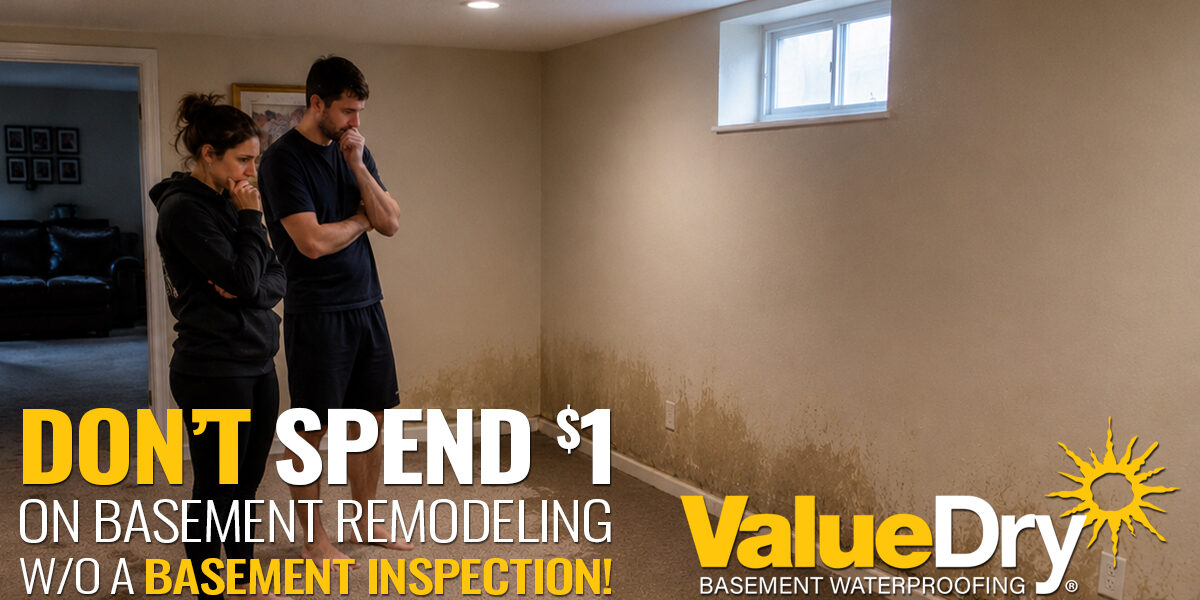
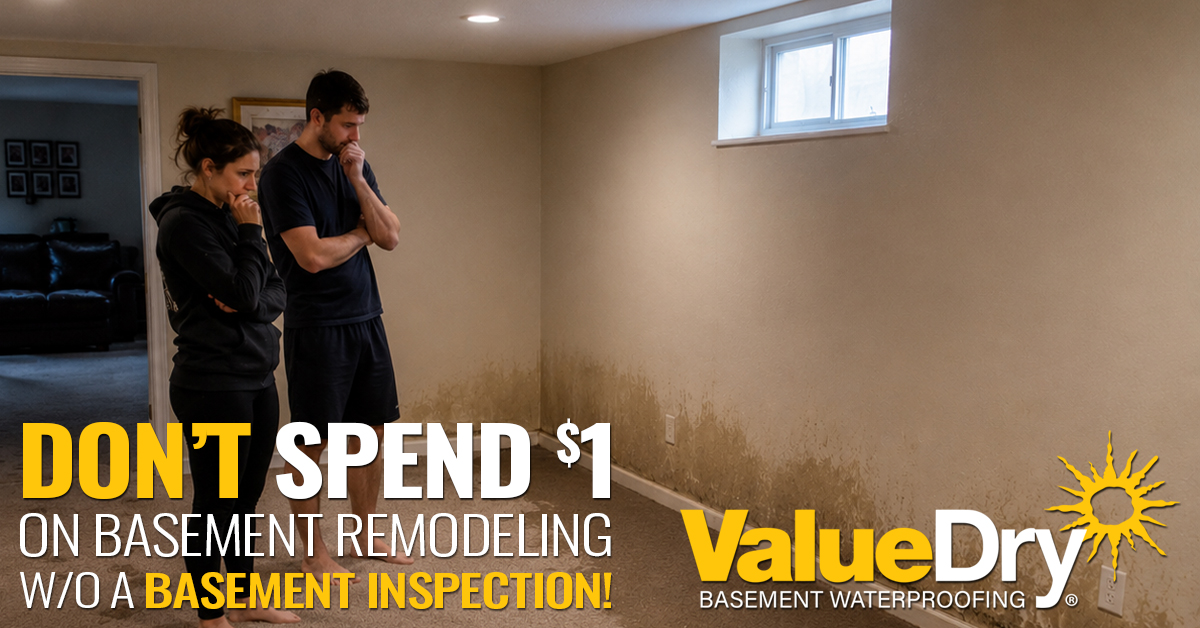 Don’t make this $50,000 mistake, get a basement inspection first! Don’t let this drought cause you doubt. If you think your basement leaks, it most likely does. A basement inspection should happen before you spend one dollar on basement remodeling. Mother Nature catches up, and water problems rarely vanish on their own. They usually wait for the right storm, thaw, or drainage failure. That may sound dramatic, but it is practical. New flooring, drywall, paint, and trim can hide problems. Once moisture gets trapped behind finished materials, repairs cost much more.
Maryland has seen long dry stretches in recent years. As a result, many homeowners feel safer than they should. Some new homeowners have never seen their basement during heavy rain. Others had leaks years ago and think the problem disappeared.
Droughts Create False Confidence
A dry basement during a drought does not always mean a safe basement. It may only mean the system has not been tested. Basement leaks often show up during heavy rain, snow melt, or saturated soil conditions.
If Maryland has not had steady rainfall, your basement may look fine. However, cracks, weak joints, and drainage issues can still exist. Those problems often remain quiet until hydrostatic pressure returns (groundwater).
That is risky before a remodel. Finished walls can cover Efflorescence stains and seepage points. New flooring can hide slab cracks and moisture vapor. Fresh paint can make old warning signs disappear.
New Homeowners Need Extra Caution
If you recently bought your home, you may not know its full water history. Sellers may not have seen a leak during a dry stretch. Previous owners may have stored boxes over problem areas.
A home inspection is helpful, but it does not always reveal hidden moisture risks. Inspectors usually see the basement on one day. They may not witness leaks after storms or the spring thaw.
A basement waterproofing inspection goes deeper. It looks for patterns, stains, drainage issues, sump pump concerns, and foundation warning signs. That information matters before remodeling starts.
Past Leaks May Not Be Gone
Some homeowners say, “It used to leak, but it stopped.” That statement should raise a flag. A leak that stops during drought may return when rain patterns change.
Water follows pressure, cracks, and gravity. If the entry point still exists, the risk still exists. Dry weather only pauses the symptom.
Once you finish the basement, the leak will cause more damage. Carpet can hold water. Drywall can wick moisture upward. Wood trim can swell and rot. Furniture, electronics, and family storage can all suffer.
Why Remodeling First Costs Way More
Basement remodeling adds materials directly in harm’s way. Contractors may install framing, insulation, drywall, flooring, and built-ins. Each layer makes future leak detection harder.
If water returns, crews may need to remove finished materials. That means demolition, drying, repairs, and replacement. Mold concerns can also add another layer of expense.
Starting with a Basement Inspection gives you a smarter order of operations. First, identify moisture risks. Next, fix drainage or waterproofing concerns. Then, remodel with confidence.
What a Basement Inspection Should Check
A good inspection starts with the foundation walls. Inspectors look for cracks, stains, bowing, and efflorescence. That white powdery residue often signals water movement through masonry.
Next, the floor and wall joint need attention. Many leaks appear where the wall meets the floor. This area often shows moisture during hydrostatic pressure events.
Sump pumps also need testing. A pump may sit quietly for months, then fail during a storm. Inspectors should check the pit, switch, discharge line, and backup options.
Exterior drainage matters too. Gutters, downspouts, grading, window wells, and stairwells all affect basement moisture. Poor drainage outside often creates problems inside.
Watch for These Basement Warning Signs
Look for musty odors, even if you see no water. Smells often appear before visible leaks. Moist air can hide behind stored items and unfinished walls.
Check for peeling paint or bubbling coatings. These signs can mean moisture is pushing through surfaces. Rust on metal supports, appliances, or shelving can also point to humidity.
Pay attention to cracks in the slab or walls. Small cracks may not scare you today. Still, they can become leak paths when water pressure increases.
Finally, notice how the basement feels. A clammy basement can signal humidity problems. That matters before basement remodeling.
Why Drought Can Make the Next Storm Worse
Dry soil can shrink away from your foundation. When heavy rain returns, water can rush into those gaps. This can send moisture directly toward weak points.
Clay soils can also swell when they absorb water again. That movement can add pressure against the basement walls. As a result, small foundation issues can become more noticeable.
Maryland weather can shift quickly. A dry season can end with heavy storms or rapid snow melt. Your basement should be ready before that happens.
Basement Remodeling Projects that Need Inspection First
Any finished basement project should start with moisture planning. This includes flooring, drywall, bathrooms, bars, bedrooms, storage rooms, and home offices.
Basement bedrooms need extra care. Egress window installation can change the drainage near the foundation. Window wells must be planned correctly, so they do not collect water.
Bathroom additions also introduce plumbing and humidity. A leak or condensation problem can become harder to spot later. Good planning protects the entire remodel.
How Value Dry Can Help
Value Dry Basement Waterproofing provides affordable, reliable waterproofing solutions throughout Maryland. We also serve Central Maryland and Arlington, Virginia. Our team brings over 20 years of experience to every inspection.
Knowledgeable inspectors and technicians look for real causes, not quick guesses. We provide clear recommendations and long-lasting solutions. Most installations are completed in one day, minimizing disruption.
Value Dry offers competitive pricing, patented waterproofing products, and lifetime transferable warranties. Financing options are available for qualified homeowners. We are fully licensed and insured.
Best of all, we always offer free inspections. That makes it easy to get answers before remodeling begins.
Basement Inspection FAQ
Do I Need A Basement Inspection Before Remodeling?
Yes, you should inspect before remodeling. It helps find leaks, humidity, cracks, and drainage concerns first.
What If My Basement Has Been Dry For Years?
Dry years can hide water problems. A major storm or thaw can reveal old leak paths again.
Can A Contractor Remodel Around Minor Moisture?
They can, but they should not ignore moisture. Waterproofing should happen before finishes go in.
What Are The Signs That My Basement May Leak?
Musty smells, stains, cracks, efflorescence, and damp floors are warning signs. Sump pump issues also matter.
Can Waterproofing Protect A Finished Basement?
Yes, waterproofing can protect finished materials from future damage. The right system depends on the home.
How Long Does An Inspection Take?
Most inspections are simple and convenient. Timing depends on the size of the basement and any visible concerns.
Does Value Dry Offer Free Inspections?
Yes, Value Dry always offers free inspections. You can get answers before spending on a remodel.
What Should I Do Before Calling?
Walk through your basement and note odors, stains, cracks, or past leaks. Photos can also help.
Remodel Your Basement With Confidence
Do not let drought conditions create doubt about your basement. Start with a free Basement Inspection from Value Dry. Then build your new space on a dry, protected foundation.