


Top Benefits of Crawl Space Encapsulation: Why It’s a Smart Move for Your Home
- November 4, 2025
- No Comments
Top Benefits of Crawl Space Encapsulation: Why It’s a Smart Move for Your Home
Your home’s crawl space is one of its most overlooked—but potentially most important—areas. Though tucked out of sight, the condition of your crawl space deeply affects comfort, indoor air quality, energy bills, and even the structural health of your house. That’s why crawl space encapsulation is increasingly recognized as a smart investment. At Value Dry Waterproofing, we help homeowners turn damp, inefficient crawl spaces into dry, efficient, and healthy parts of their homes. In this blog, we’ll explore what a crawl space is, why it matters, what can go wrong if it’s neglected, how encapsulation works, and the top benefits — including how you can save on energy bills.
What Is a Crawl Space — and Why Should You Care?
Defining the crawl space
A crawl space is the shallow area beneath the first floor of many homes, typically with an un-conditioned environment, dirt or concrete floors, and vents or access points to the outside. Wikipedia defines a crawl space as a “narrow, unfinished space below the first floor or under the eaves of a house, often subject to moisture and air infiltration.” Wikipedia
Although not a full basement, it performs many of the same roles: it houses plumbing, HVAC systems, ductwork, and provides structural support for the home. Because of its location and exposure, the crawl space can be a major source of problems—leaking moisture, cold floors, poor air quality, elevated energy bills, pests, and structural decay.
Why your crawl space impacts your whole house
Even though you rarely visit it, your crawl space affects the rest of your home in several ways:
-
Air infiltration and thermal loss: If the crawl space is vented or poorly sealed, outside air enters and affects the home’s temperature and comfort.
-
Moisture and humidity: Ground moisture and leaks bring dampness into the space, which moves upward into living areas.
-
Insulation performance: Insulation above or within the crawl space can degrade when damp or unprotected, reducing its effectiveness.
-
Structural and mechanical systems: Ductwork, wiring, and support beams in the crawl space are vulnerable to moisture, corrosion, and pests.
These issues show why investing in crawl space encapsulation isn’t just “fixing a crawl space”—you’re protecting the home.
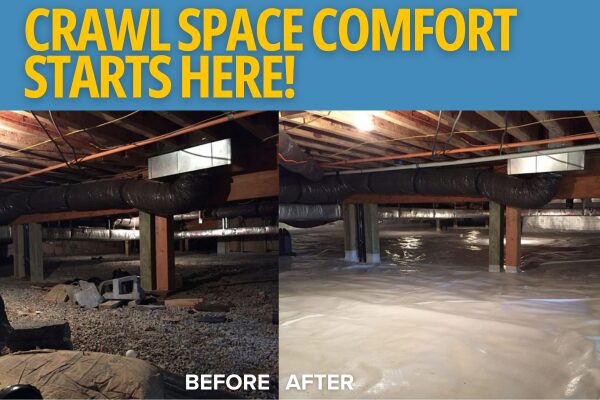
What Can Go Wrong in an Unencapsulated Crawl Space
Moisture, mold & rot
One of the top dangers of a neglected crawl space is moisture. When the space is unsealed and exposed, warm outside air meets cooler surfaces, condenses, and triggers high humidity. One study found that in houses where crawl spaces were encapsulated, relative humidity stayed below 60% in summer—while vented crawl spaces tracked outdoor humidity. Energy Vanguard
High humidity fosters mold growth, wood rot, and structural deterioration. Moisture-induced decay of floor joists and beams is one of the most costly issues for homeowners. Groundworks+1
Cold floors & comfort loss
When cold or humid air infiltrates the crawl space, the floors above it often feel cold, drafty, and uncomfortable—especially in fall and winter. This reduces comfort and may lead homeowners to crank up heating, increasing energy bills.
Poor indoor air quality
Because up to 40-50% of the home’s air can originate from the crawl space, problems below ground can directly affect what you breathe upstairs. Damp, musty crawl spaces drive allergens, mold spores, and contaminated air upward. A-1 Basement Solutions+1
Higher energy bills & HVAC strain
Unsealed crawl spaces increase the workload on your HVAC system. Cooling or heating air that enters from below forces your system to run more often, which increases utility bills and reduces equipment lifespan. For example, one source describes that crawl space encapsulation can reduce energy consumption by up to 20% in some cases. Energy Vanguard+1
Pest intrusion & storage risks
An open or damp crawl space is inviting to pests—rodents, termites, insects—that can damage insulation, wiring, and wood. Moisture also limits safe storage in that area, making the space unusable. Crawlspace Medic
Low home value & inspection red flags
Home inspectors often flag damp, unsealed crawl spaces. When buyers see visible moisture, mold, or structural issues, it can reduce perceived home value or delay a sale. Encapsulation prevents those red flags and helps maintain or boost the value of your home.
Need help right away?
👉 Schedule Your Free Estimate Here
Let’s keep your home dry, healthy, and worry-free—no matter the weather.
What Is Crawl Space Encapsulation — The Smart Solution
The encapsulation process
Crawl space encapsulation involves sealing the space—walls and floor—with a robust vapor barrier, insulating where appropriate, sealing vents and air leaks, installing drainage or dehumidification systems if needed, and creating a controlled environment beneath the home. Thrasher Foundation Repair+1 Key steps often include:
-
Cleaning and repairing existing damage (mold, rot, insect damage)
-
Installing a heavy-duty vapor barrier on the floor and up foundation walls
-
Sealing all vents, seams, and penetrations
-
Adding insulation on walls or rim joists
-
Installing a dehumidifier or conditioning system if needed
-
Sealing and insulating any ductwork or mechanical systems in the crawl space
Why it works
By creating a barrier between the ground/outside and the crawl space, encapsulation stops moisture, halts air infiltration, and stabilizes temperature and humidity. The result: a dry, conditioned space that acts as part of your home’s thermal envelope instead of a liability. This turns your crawl space into a contributing part of your home’s performance rather than a drag.
Professional vs. DIY
While DIY efforts (laying some plastic sheeting) may improve things temporarily, a professional encapsulation system ensures all components work together, are correctly sized, and are warrantied. A comprehensive job addresses moisture issues first, selects the correct materials, and ensures long-term performance. Groundworks+1
Top Benefits of Crawl Space Encapsulation
Let’s dive into the specific benefits you’ll experience after encapsulating your crawl space—with data, context, and what it means for your home.
Benefit #1: Improved Energy Efficiency & Lower Utility Bills
One of the most measurable benefits is energy savings. According to Energy Vanguard, “crawl space encapsulation can reduce energy bills by up to 20%.” Energy Vanguard Another resource notes energy savings of up to 20% on energy bills by encapsulating crawl spaces. glhunt.com Some contractor reports even claim reductions of 25-50% in heating and cooling costs when comparing sealed vs vented crawl spaces. Basement Systems of Indiana
How it happens: Cold air infiltration and stack-effect drafts from the crawl space are blocked; your HVAC system doesn’t have to compensate for hidden heat loss; insulation performs effectively; ducts aren’t exposed to extreme temperatures. Over time, the energy savings help pay back the encapsulation investment—plus your home feels warmer and more comfortable.
Benefit #2: Enhanced Comfort
When your crawl space is properly encapsulated, the floors remain warmer in winter, insulation isn’t dampened, and drafts disappear. The result: no more cold feet, less chill from below, more stable year-round comfort. Sources link this to deeper thermal stability and lower humidity. Groundworks+1
Benefit #3: Moisture & Mold Prevention
Sealing the crawl space stops water vapor, ground seepage, and humid outside air from entering. That means fewer problems with mold, mildew, musty smells, and the health risks that come with them. One article specifically lists mold and mildew prevention as a key benefit. Crawlspace Medic+1
Benefit #4: Improved Indoor Air Quality
With fewer pollutants, allergens, mold spores, and damp air coming upward from the crawl space, your home’s indoor air quality improves. This is especially important for those with allergies, asthma, or sensitivities. Sealing and moisture control directly contribute to healthier home environments. Moisture Loc
Benefit #5: Structural Protection & Longevity
A dry crawl space means floor joists, foundation walls, support beams, and ductwork are protected from decay, rot, rust, and pest intrusion. Over time, this means fewer costly repairs and longer lifespan for key structural and mechanical components. Groundworks+1
Benefit #6: Pest & Vermin Control
By sealing off the crawl space and eliminating moisture, pests such as rodents, termites, and insects lose attractive habitat. Encapsulation reduces the risk of infestations, damage, and the associated cost of remediation. Crawlspace Medic
Benefit #7: Increased Home Value & Market Appeal
Encapsulated, dry, efficient homes are appealing to buyers and inspectors. A sealed crawl space shows proactive maintenance, fewer risk factors, and better energy performance—factors that enhance home value and help listings stand out. Sedona Waterproofing Solutions+1
Why Encapsulation Also Makes Sense for Energy Savings This Time of Year
Winter is when crawl spaces reveal their flaws
As you turn on the heat and expect a cozy house, cold drafts and chilly floors from an unsealed crawl space become painfully obvious. Without encapsulation, cold air seeps up, making your heating system work harder and your living space less comfortable.
Data backs it up
Both Energy Vanguard and other sources indicate energy savings of up to 20% or more when crawl spaces are sealed. One contractor’s data even suggest savings of 25-50% in some regions when comparing sealed vs unsealed crawl spaces. Groundworks
ROI and value in the off-season
Because fall and winter call attention to crawl space issues (cold floors, damp smells, high bills), it’s a valuable time to address them. Investing now means you’ll reap the comfort and cost benefits through the cold months—and protect your home for the long term.
Need help right away?
👉 Schedule Your Free Estimate Here
Let’s keep your home dry, healthy, and worry-free—no matter the weather.

How to Get Started with Crawl Space Encapsulation
Step 1: Crawl-space inspection and assessment
Begin with a detailed inspection: check for standing water, damp soil floors, mold or mildew, rot or pest damage, insulation condition, ductwork in the crawl space, and air leakage points.
Step 2: Address existing issues
If you find moisture, mold, wood rot, or pests, those must be remedied before the encapsulation system goes in. Proper installation requires a clean, sound crawl space.
Step 3: Choose the right components
A full encapsulation plan typically includes:
-
Heavy-duty vapor barrier on the floor and walls
-
Sealing or removal of crawl space vents
-
Drainage system or sump pump (if needed)
-
Insulation of walls or rim joists
-
Dehumidifier (if climate or moisture levels demand)
-
Sealed ductwork or HVAC components within the crawl space
Step 4: Professional installation vs DIY
While DIY kits exist, professional installers bring calibrated systems, warranties, correct materials, and detailed knowledge of moisture dynamics. As one article explains: encapsulation is a true investment—professionals ensure all parts work together for long term performance. Groundworks+1
Step 5: Maintenance & monitoring
After installation, periodic checks make sense: monitor humidity levels, check vapor barrier integrity, inspect for new moisture intrusion, ensure dehumidifier (if installed) is functioning, and make sure the crawl space remains sealed from outside air.
Why Value Dry Waterproofing Is Your Trusted Encapsulation Partner
At Value Dry, our team understands how vital a properly encapsulated crawl space is—not just for today, but for your home’s health tomorrow. We offer:
-
Thorough inspections to identify moisture, mold, structural, and HVAC issues
-
Customized encapsulation plans tailored to your home’s size, climate zone, and usage
-
High-quality materials: 20-mil vapor barriers, sealed penetrations, insulation, dehumidifiers where needed
-
Skilled, certified installers who manage the job quickly, cleanly and with your home’s comfort in mind
-
A commitment to explaining the process and helping you understand how encapsulation will lower your bills, improve air quality, enhance comfort, and protect your investment
When you choose Value Dry, you’re investing in more than a service—you’re investing in a dry, efficient, healthy home environment.
Final Thoughts — Make the Move Beneath the Floor
If you’ve been ignoring what’s under your home, now’s the time to act. A damp, inefficient crawl space isn’t just a hidden annoyance—it’s a major contributor to high energy bills, discomfort, indoor air problems, structural risks, and poor resale value.
Crawl space encapsulation brings together the benefits of moisture control, thermal efficiency, comfort, and home protection. With documented savings (up to 20% or more on energy bills), improved comfort, better air quality, and stronger home value, it’s a smart, strategic upgrade for any homeowner.
Let Value Dry help you get there—schedule a crawl space evaluation, ask about encapsulation options, and take a major step toward a healthier, more efficient home.
Need help right away?
👉 Schedule Your Free Estimate Here
Let’s keep your home dry, healthy, and worry-free—no matter the weather.