
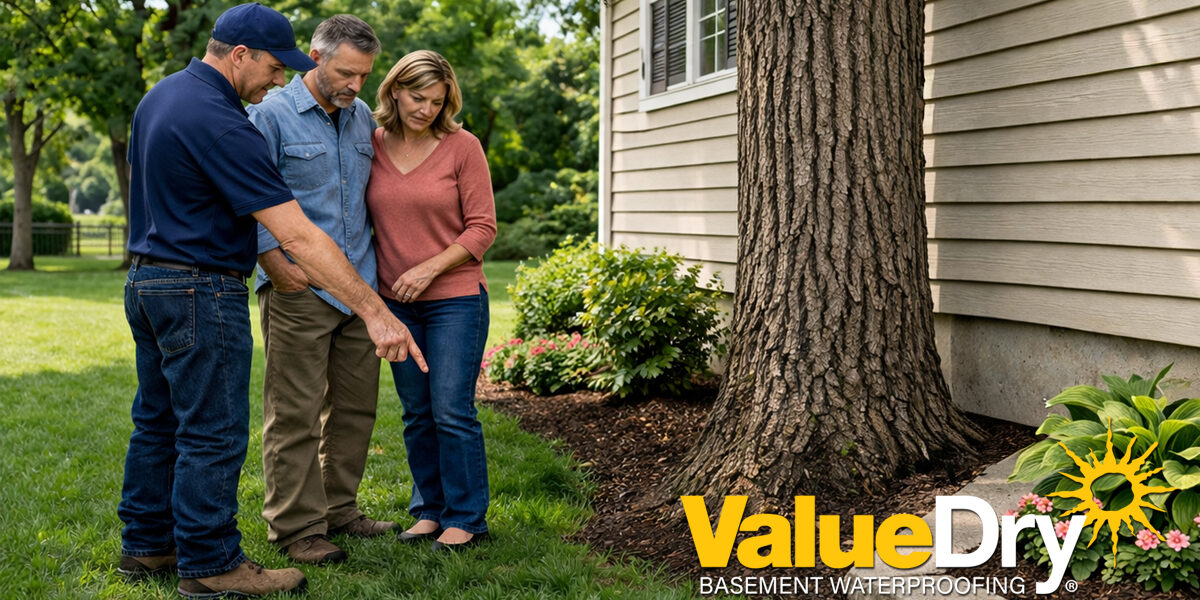
Bushes and Trees That Cause Foundation Damage
- March 24, 2026
- No Comments
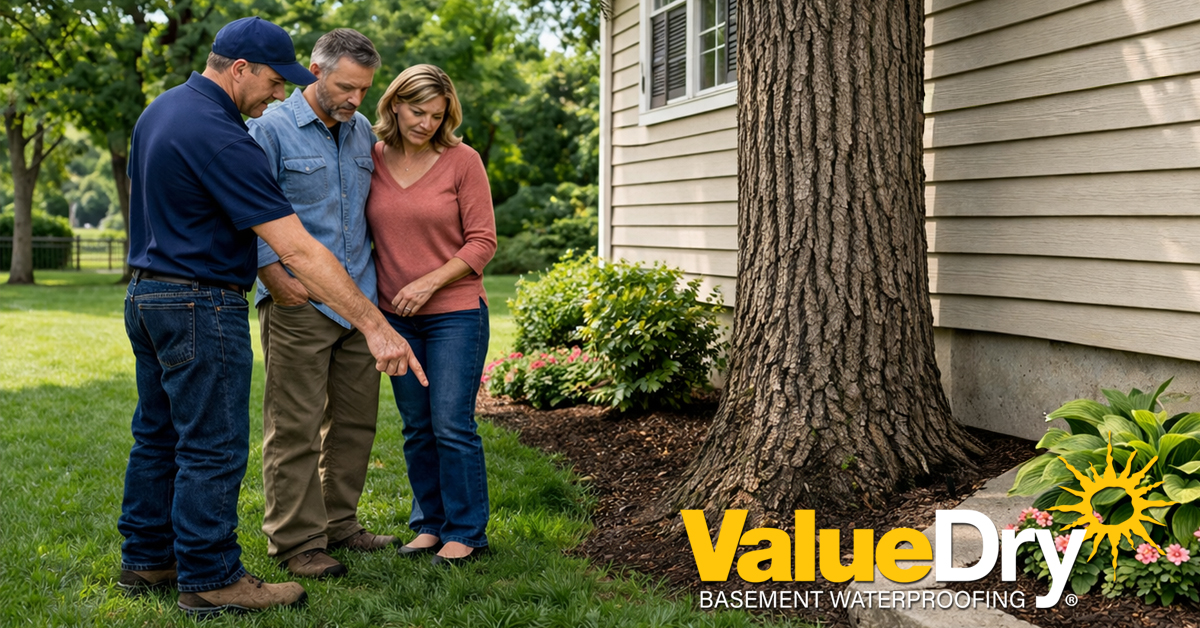
Great landscaping should boost curb appeal, not cause foundation damage. In Maryland, weather swings between wet, dry, and freezing can magnify that risk. A few common plants can shift soil, trap water, or press against hard surfaces. With smart placement, you can enjoy greenery and protect your home.
Most plant-related foundation damage comes from two forces. Roots expand and push against nearby concrete, stone, and pavers. Soil moisture also changes as plants drink water and rainfall soaks the ground. As a result, the ground can shrink, swell, or settle around your foundation. Let’s discuss different types of plants, and when you may need to call a professional foundation repair company.
How Plants Actually Damage a Foundation
Roots rarely crack solid concrete by brute force. Instead, they follow existing gaps, joints, and weak spots. Tiny cracks can widen as roots continue to grow in the same place. Meanwhile, roots often lift sidewalks and steps that touch the house.
Soil movement is the bigger issue for many homes in Maryland. Clay-rich soil swells when it gets wet. Dry spells make that same soil shrink and pull away from the foundation. Then, heavy rain refills the soil and pushes outward again. Repeated cycles can stress walls, slabs, and basement joints.
Trees Most Likely to Cause Problems
Fast-growing, water-hungry trees deserve extra distance from your foundation. Willows are a classic example because their roots aggressively chase moisture. Poplars and cottonwoods also spread wide roots and grow quickly. Silver maples can do the same in tight suburban lots.
Large shade trees can influence soil moisture across a wide area. Sycamores often develop extensive root zones. Tulip poplars are common in Maryland and can reach an impressive size. Mature oaks can also alter soil moisture due to their water demand. Still, any tree can cause trouble when planted too close.
Bushes, Shrubs, And Vines That Can Create Headaches
Many shrubs behave well when they have room and good drainage. Problems start when dense plantings trap moisture against foundation walls. Over-mulched beds can hold water like a sponge. Some aggressive plants also spread farther than homeowners expect.
Running bamboo sends rhizomes far from the planting area. Japanese knotweed can invade hardscapes, damaging patios and walls. Wisteria vines can become heavy and damage structures if they climb. English ivy can hold moisture against walls and creep into gaps.
Evergreen screens can be sneaky, too. Leyland cypress and some arborvitae varieties grow fast and drink plenty of water. When those roots sit beside the foundation, the soil can dry unevenly. That uneven drying can contribute to settlement in sensitive soils.
How Far Should Trees Be Planted from Your Home?
A simple rule covers most situations. Plant a tree at least as far away as its mature height. This guideline reduces root conflicts and soil moisture swings near the foundation. It also gives the canopy space without constant trimming.
Size-based spacing works well when you do not know the mature height. Small ornamental trees often do fine 10 to 15 feet away. Medium trees usually need 15 to 20 feet of separation. Large shade trees commonly need 20 to 30 feet or more of space. If you’re unsure, choose the greater distance.
Flower Bed Drainage Mistakes to Avoid
Foundation beds can look great, but they often hide drainage problems. Raised beds can push soil and mulch against the wall. That contact can keep surfaces damp and invite pests. Wet mulch can also slow evaporation after storms.
Good bed design moves water away from the house. Keep soil below siding, brick weep holes, and vents. Maintain a gentle slope away from the foundation. Choose plants that do not require daily watering once established. In addition, avoid piling mulch against the wall like a mound.
Gravel strips can help water drain near the edge. Drip irrigation works best when the lines are kept away from the foundation. You should also watch downspouts that empty into flower beds. Even a pretty bed can become a soaked trench.
Burying Downspouts Helps Only When You Do It Right
Downspouts handle a surprising amount of water. When they dump near the wall, your foundation pays the price. Extensions work, yet they can shift during mowing and storms. Buried downspouts look cleaner and protect the discharge path.
Use solid, smooth pipe underground, not corrugated flex pipe. Smooth pipe resists clogs and holds slope better. Proper pitch matters, because standing water invites freezing and backups. Cleanouts make maintenance realistic for homeowners.
Keep the outlet well away from the house to prevent recirculation. Ten feet is a common minimum, while a greater distance is even better. Never tie downspouts into footing drains. That setup can overload the system and push water toward the basement.
Warning Signs That Your Landscaping Is Affecting the Structure
Look for clues inside and outside the home. Sticking doors and windows can signal shifting from soil movement. Cracks in drywall may appear near corners and openings. Uneven floors can point to settlement on one side.
Outdoor surfaces also tell a story. Lifted walkways often suggest roots growing underneath. Separating steps can hint at movement near the wall. Pooled water at the foundation is a clear drainage problem.
Basement symptoms deserve attention, too. Efflorescence on walls shows moisture moving through masonry. Musty odors can mean damp air is lingering. Water at the wall-floor joint often appears after heavy rain or melting.
Protect Your Foundation Before Small Problems Grow
Landscaping fixes help, but chronic moisture needs a direct solution. A proven waterproofing system controls water at the perimeter and below the slab. Sump pumps, drainage, and vapor control work together for long-term protection.
Value Dry Basement Waterproofing serves Maryland with affordable, reliable basement waterproofing and foundation repair. Our team brings over 20 years of experience. We offer competitive pricing, patented products, and lifetime transferable warranties. Most installations finish in one day, with minimal disruption. We are fully licensed and insured, with financing options available. Homeowners trust our dependable service and excellent reputation in the marketplace.
If trees, beds, or drainage may be stressing your foundation, schedule an inspection and get a clear plan.