
Crawl Space Encapsulation: Why It’s One of the Smartest Investments You Can Make in Your Home
- January 6, 2026
- No Comments
Crawl Space Encapsulation: Why It’s One of the Smartest Investments You Can Make in Your Home
Cold floors. Drafty rooms. High energy bills. Musty odors. These are some of the most common complaints homeowners experience during winter — and many are surprised to learn the real problem isn’t the windows, doors, or even the furnace. It’s the crawl space.
An unsealed crawl space allows cold air, moisture, and outdoor pollutants to enter your home from below, making it harder to stay warm, comfortable, and energy efficient. Crawl space encapsulation is a proven solution that addresses these issues at the source.
In this guide, we’ll break down what crawl space encapsulation is, why it matters, which homes benefit most, how the process works, and how encapsulation can help lower energy costs while improving comfort year-round.
Learn more about Value Dry’s encapsulation solutions here:
https://valuedrywaterproofing.com/services/crawlspace-encapsulation/
What Is a Crawl Space?
A crawl space is the shallow area beneath a home that provides access to plumbing, electrical systems, and structural components. While crawl spaces are common, especially in older homes and homes built on uneven terrain, many are left unfinished or poorly protected.
Unsealed crawl spaces often have:
-
Exposed dirt floors
-
Minimal or failing insulation
-
Open vents
-
Little to no moisture control
These conditions allow outdoor air, moisture, and pests to enter freely — directly affecting the comfort and health of the living space above.
Why Crawl Spaces Cause Cold Floors and Heat Loss
The Stack Effect Explained
Warm air naturally rises. As it escapes through the upper parts of your home, it creates negative pressure that pulls cold air up from below — directly from the crawl space.
According to the U.S. Department of Energy, up to 50% of a home’s air comes from below, including crawl spaces and basements.
Source: https://www.energy.gov/energysaver/air-sealing-your-home
This means whatever conditions exist in your crawl space are influencing your living space every day.
What Is Crawl Space Encapsulation?
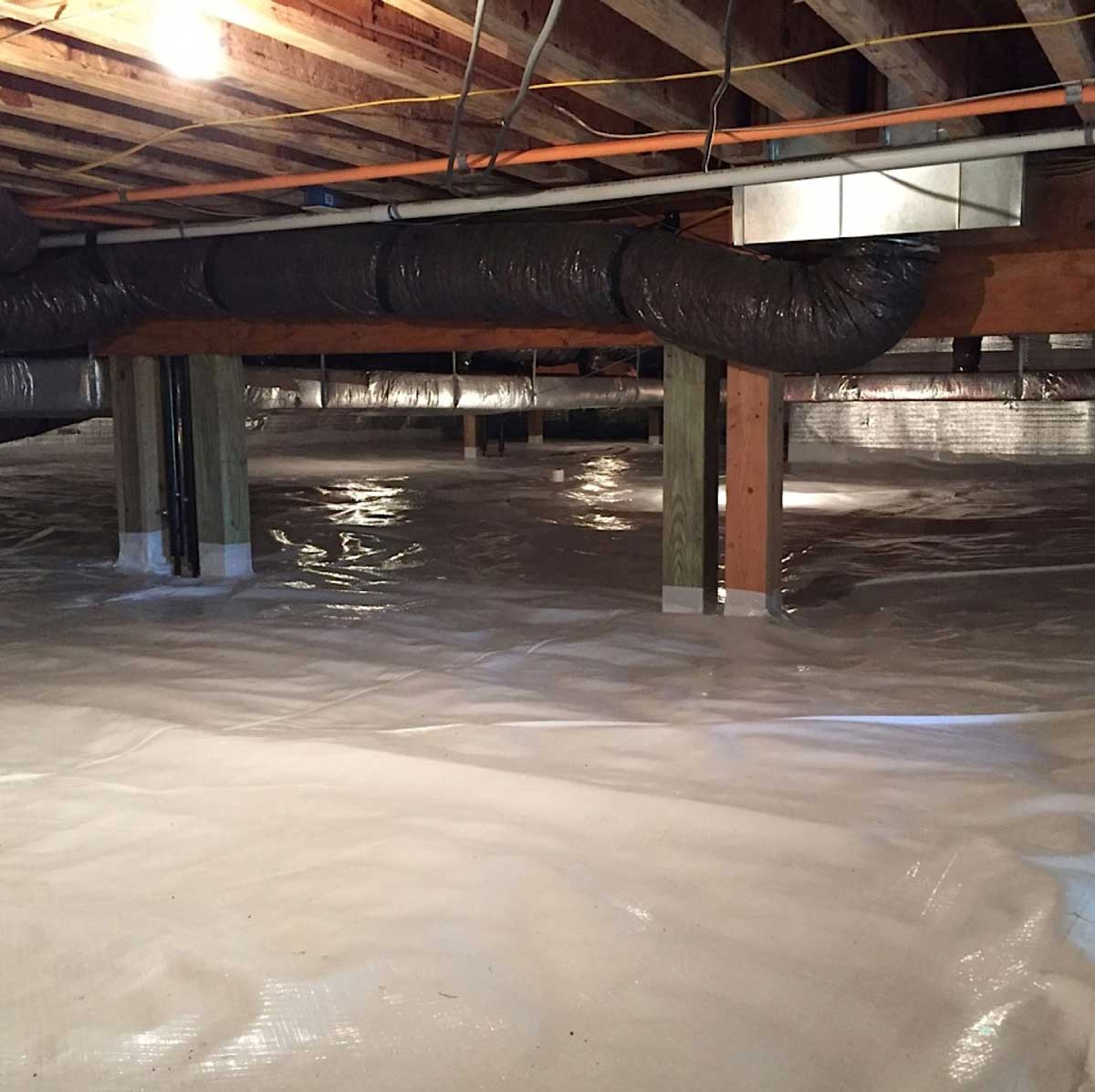
Crawl space encapsulation is the process of sealing the crawl space from outside air and moisture using a combination of:
-
Heavy-duty vapor barriers
-
Sealed vents and air gaps
-
Insulation
-
Moisture control systems
-
Optional dehumidification
The goal is to transform the crawl space from a damp, drafty area into a clean, dry, controlled environment.
Value Dry Waterproofing specializes in full crawl space encapsulation systems designed to protect homes long-term.
https://valuedrywaterproofing.com/services/crawlspace-encapsulation/
Top Benefits of Crawl Space Encapsulation
1. Warmer Floors and Improved Comfort
Cold floors are often caused by cold air circulating beneath the home. Encapsulation keeps that cold air out, helping floors retain heat longer and rooms feel more comfortable.
Homeowners frequently report immediate improvements in how their home feels during winter months.
2. Lower Energy Bills
When cold air enters from below, heating systems must work harder to maintain indoor temperatures. Encapsulation reduces heat loss and helps HVAC systems operate more efficiently.
The Environmental Protection Agency notes that sealing and insulating can reduce heating and cooling costs by up to 15%.
Source: https://www.energystar.gov/saveathome/seal_insulate
3. Moisture Control and Mold Prevention
Unsealed crawl spaces allow moisture from the ground and outdoor air to accumulate. Over time, this moisture can lead to mold growth, wood rot, and musty odors.
Encapsulation blocks ground moisture and helps control humidity levels, reducing conditions that allow mold to thrive.
Source: https://www.epa.gov/mold/mold-course-chapter-2
4. Improved Indoor Air Quality
Because air moves upward through the home, moisture, mold spores, and pollutants from the crawl space can affect indoor air quality.
Encapsulation creates a cleaner air barrier, helping protect the air your family breathes every day.
5. Fewer Pests and Critters
Crawl spaces are a prime entry point for rodents, insects, and other pests. Encapsulation seals gaps and removes damp conditions that attract them.
The result: fewer unwanted visitors and less risk of damage to insulation and wiring.
6. Protection for Structural Components
Excess moisture can damage floor joists, beams, and subfloors over time. Encapsulation helps protect these components by maintaining a dry environment, reducing the risk of rot and long-term structural issues.
7. Increased Home Value and Marketability
Homes with encapsulated crawl spaces often stand out during inspections. Buyers appreciate energy efficiency, moisture control, and comfort improvements — especially when documentation is provided.
Encapsulation can help reduce inspection issues and increase buyer confidence.
8. Reduced Odors
Musty smells often originate in the crawl space. By sealing moisture and improving air quality, encapsulation helps eliminate unpleasant odors that can linger throughout the home.
9. Year-Round Comfort (Not Just Winter)
While encapsulation is especially noticeable in winter, it also helps during summer by reducing humidity and making cooling systems more effective.
10. Long-Term Peace of Mind
Encapsulation addresses multiple issues at once — comfort, energy efficiency, moisture, pests, and durability — making it a smart long-term investment rather than a temporary fix.
What Spaces Benefit from Encapsulation?
Small Crawl Spaces
Even shallow crawl spaces allow cold air and moisture to affect the home. Size doesn’t limit the benefits.
Large Crawl Spaces
Larger spaces often have more surface area exposed to moisture and air intrusion, making encapsulation even more impactful.
Older Homes
Older homes frequently lack proper vapor barriers or insulation. Encapsulation modernizes performance without altering the home’s character.
Newer Homes
Even newer homes can benefit if crawl space construction was minimal or ventilation is ineffective.
How Crawl Space Encapsulation Is Done
Step 1: Inspection and Assessment
Professionals evaluate moisture levels, insulation condition, air leaks, and structural integrity.
Step 2: Ground Sealing
A heavy-duty vapor barrier is installed over the crawl space floor and sealed along walls and piers.
Step 3: Air Sealing
Vents, gaps, and penetrations are sealed to prevent outside air intrusion.
Step 4: Insulation
Walls and rim joists are insulated to maintain consistent temperatures.
Step 5: Moisture Control
Depending on conditions, drainage improvements or dehumidification may be recommended.
Value Dry customizes each encapsulation system based on the home’s needs.
https://valuedrywaterproofing.com/services/crawlspace-encapsulation/
Energy Savings: What Homeowners Can Expect
While savings vary, studies consistently show that sealing and insulating crawl spaces improves efficiency and reduces heating costs.
According to Building Science Corporation, encapsulated crawl spaces outperform vented crawl spaces in both comfort and energy efficiency.
Source: https://buildingscience.com/documents/insights/bsi-009-new-light-in-crawlspaces
Many homeowners report:
-
Lower heating bills
-
Less HVAC runtime
-
More consistent indoor temperatures
Why January Is the Ideal Time to Encapsulate
-
Cold floors are most noticeable
-
Heating costs are highest
-
Contractors can identify winter-specific issues
-
Immediate comfort improvements are felt
Value Dry Waterproofing is offering $500 OFF a complete crawl space encapsulation during January, making now an ideal time to act.
Schedule a Free Estimate
If your floors feel cold, your energy bills keep rising, or your home feels drafty, your crawl space may be the missing piece.
Learn more or schedule a free estimate here:
https://valuedrywaterproofing.com/services/crawlspace-encapsulation/