
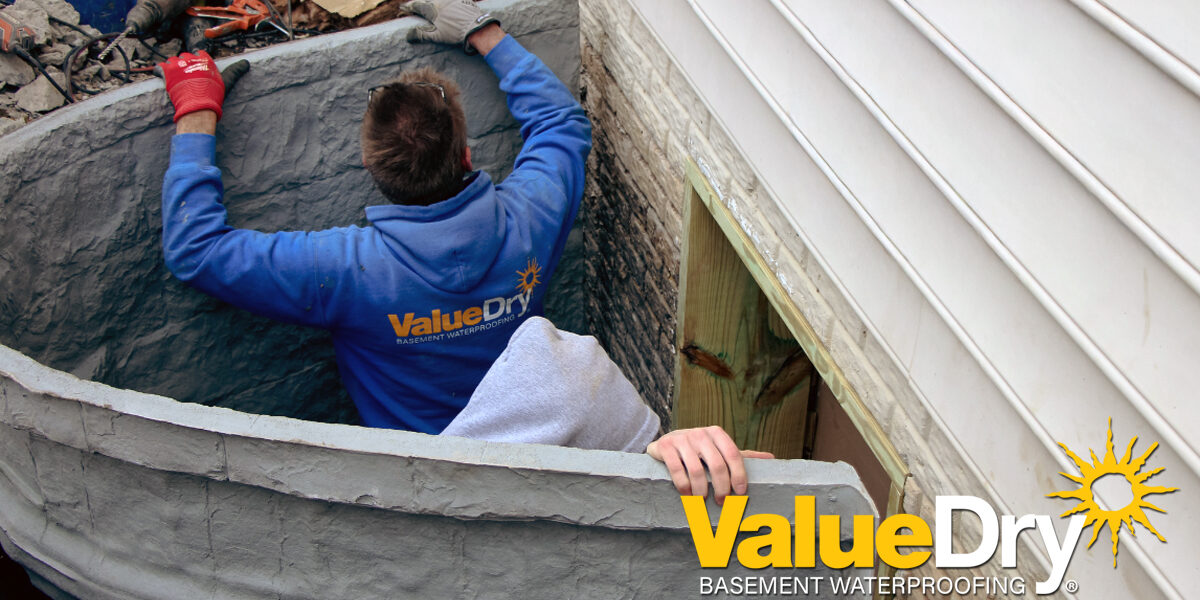
Egress Window Cost: What Affects Installation Price?
- September 21, 2026
- No Comments
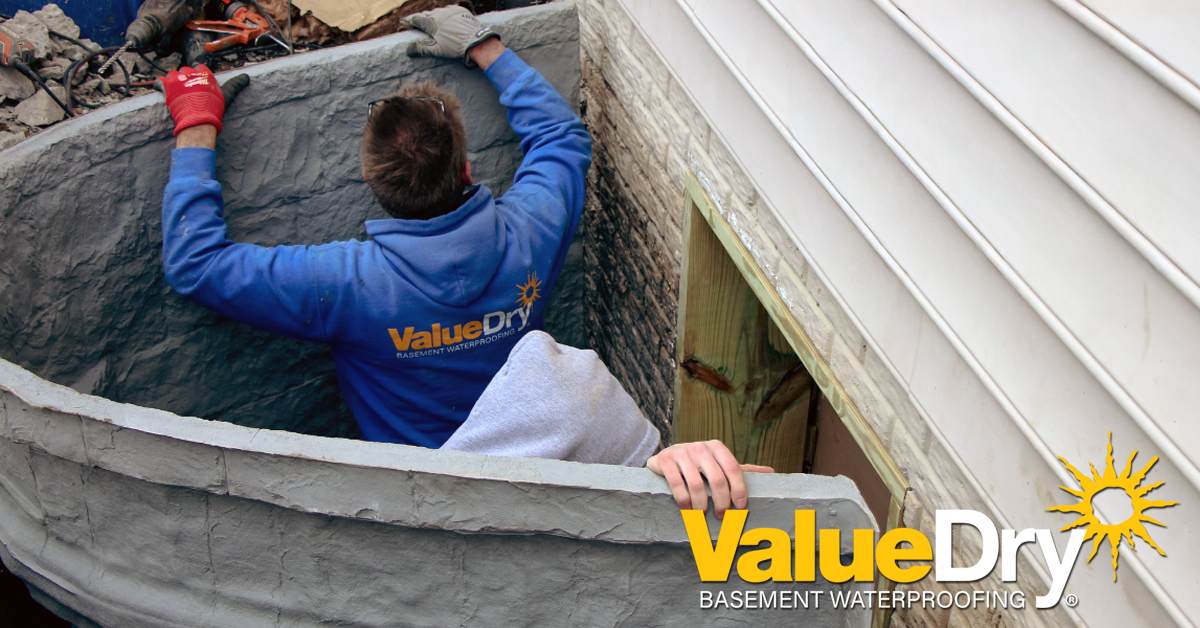
Egress Window cost depends on much more than the window itself. A complete project can involve excavation, foundation cutting, drainage, permits, and interior restoration. An egress window also adds daylight and creates an emergency escape route. Because every basement differs, a free inspection provides the best starting point.
Existing Opening Versus a New Foundation Cut
Replacing a window inside a suitable opening usually costs less. The crew may only need framing adjustments, sealing, and a compliant unit.
Many older basement windows are too small for egress requirements. Technicians may need to enlarge the opening or create a new one. Cutting concrete or masonry requires specialized equipment and careful planning.
A new opening also changes how weight travels through the wall. Therefore, structural reinforcement may become necessary.
Window Size and Operation Affect Price
The window must provide enough clear space for emergency escape. Casement windows often work well because the entire sash opens outward. Sliding units may need larger frames for similar clearance.
Larger windows usually cost more than standard units. Custom sizes, upgraded glass, and premium frames can raise the price further. Your inspector should confirm the clear opening before ordering materials.
Excavation Can Change the Scope
Most basement egress windows sit partly or completely below grade. That means the crew must excavate outside the foundation.
Easy access can keep labor manageable. Tight yards, patios, utilities, landscaping, and rocky soil can make it harder. Deep openings also require more soil removal.
Crews should protect landscaping and remove construction debris safely.
The Window Well Matters
A window well creates open space outside the basement window. It must allow the window to open completely. The well also needs enough room for safe escape.
Basic metal or composite wells usually cost less. Larger stepped wells can improve access, daylight, and appearance. Covers help keep leaves and debris out.
Deep wells may require a ladder or built-in steps. Those safety features add materials and labor.
Drainage and Waterproofing Protect the Opening
A beautiful egress window can still become a source of leaks. Rainwater, snowmelt, and groundwater may collect inside the well. Plan proper drainage before installation.
Some wells use gravel and a dedicated drain. Others connect to an interior perimeter drainage system. Many remodelers tie the egress window drain into the home’s existing foundation drainage system. This often fails because the original system may be clogged, damaged, overwhelmed or no longer draining properly. The correct approach depends on soil and existing waterproofing.
Grading should direct water away from the well. Downspouts should also discharge away from the opening. Proper frame sealing helps prevent seepage and damaged finishes.
What a Basement Waterproofing System May Include
Some egress projects reveal a larger groundwater problem. In those cases, the well drain may connect to a complete waterproofing system.
Interior perimeter drainage collects water beside the foundation and beneath the slab. A sump basin receives that water. Then a primary sump pump sends it outside.
Battery backup equipment protects during outages. Discharge piping carries water away from the foundation. Crack repair and vapor control may also support the system.
A full waterproofing system can add several thousand dollars. However, it may protect flooring, drywall, furniture, and stored belongings.
Structural Reinforcement Protects the Foundation
Cutting a foundation wall requires more than accurate measurements. The opening may need a lintel, header, or other reinforcement.
Concrete block, poured concrete, stone, and brick behave differently. Older homes may also contain unexpected conditions behind finished walls.
Structural engineering may be recommended for unusual openings or visible foundation damage.
Permits and Inspections Add Oversight
Most new egress openings require a building permit. Local officials may review the window, structural details, well design, and drainage plan.
Inspections can happen before work is concealed. A final inspection usually confirms operation, clearance, and safe access. Electrical inspections may apply when you add pumps or lighting.
Permit fees vary by jurisdiction. Starting early helps prevent delays.
Finished Basement Restoration Can Add Cost
Finished basements require extra protection and repair. Crews may remove drywall, trim, insulation, flooring, or built-ins near the opening.
After installation, crews must restore those materials. Paint matching and custom finishes can increase the final price. Hidden wiring or plumbing may also need to be relocated.
Planning restoration before demolition creates a more accurate estimate.
What Does an Egress Window Usually Cost?
National cost guides place many professional installations between about $2,700 and $5,900. Straightforward replacements may cost less. New cuts, deep excavation, custom wells, and structural work can cost more.
Egress Window cost also rises when drainage or waterproofing upgrades are needed. Complex projects can exceed common national ranges. Online averages should guide budgeting, not replace an inspection.
Value Dry always offers free inspections. You receive a scope based on your foundation, basement, and drainage conditions. Financing options are available for qualified homeowners.
Why a Protection Plan Matters
Window wells, drains, sump pumps, batteries, alarms, and discharge lines require attention. Leaves and sediment can block a well drain. Pumps can wear out, and batteries can lose capacity.
The Value Dry Protect Plan includes annual checks for qualifying waterproofing systems. Technicians clean window wells, water test drains, inspect pumps, and review discharge performance.
Preventive service catches small problems early and protects your finished basement.
Why Choose Value Dry?
Value Dry Basement Waterproofing serves Central Maryland and Arlington, Virginia. Our team brings over 20 years of experience.
We provide competitive pricing, patented products, and lifetime transferable warranties on qualifying systems. Most straightforward installations finish in one day.
Value Dry is fully licensed and insured. Every project begins with a free inspection and clear recommendations.
Egress Window Cost FAQ
Is replacing an existing basement window cheaper?
Usually, yes. Keeping a suitable opening avoids extensive excavation, foundation cutting, and structural reinforcement.
Why does a new opening cost more?
A new opening requires excavation, cutting, reinforcement, a window well, drainage, sealing, permits, and restoration.
Does every egress window need a window well?
Below-grade windows usually need wells. Above-grade openings may not require them.
Can an egress window connect to my waterproofing system?
Yes. A well drain may connect to approved perimeter drainage or another suitable water management system.
Do I need a sump pump?
Not every home needs one. Groundwater, drainage conditions, and the existing system determine whether you need one.
Are permits included in Egress Window Cost?
That depends on the proposal. Ask whether it includes preparation, fees, and inspection coordination.
How long does installation take?
Many straightforward projects finish in one day. Complex excavation, permitting, or restoration may extend the schedule.
Does Value Dry offer free inspections?
Yes. Value Dry always offers free inspections throughout its service area.
Plan Your Egress Window With Confidence
Egress Window Cost becomes easier to understand when every project component is explained. Value Dry can evaluate the opening, drainage, waterproofing, and restoration before work begins.
Our team also provides basement waterproofing, sump pump installation, foundation repair, crawl space encapsulation, and indoor air quality solutions. The Value Dry Protect Plan helps keep qualifying systems ready after installation.
Schedule your free inspection today. Then add safety, daylight, and lasting protection to your basement.