
Vapor Barrier vs Crawl Space Encapsulation
- June 15, 2026
- No Comments
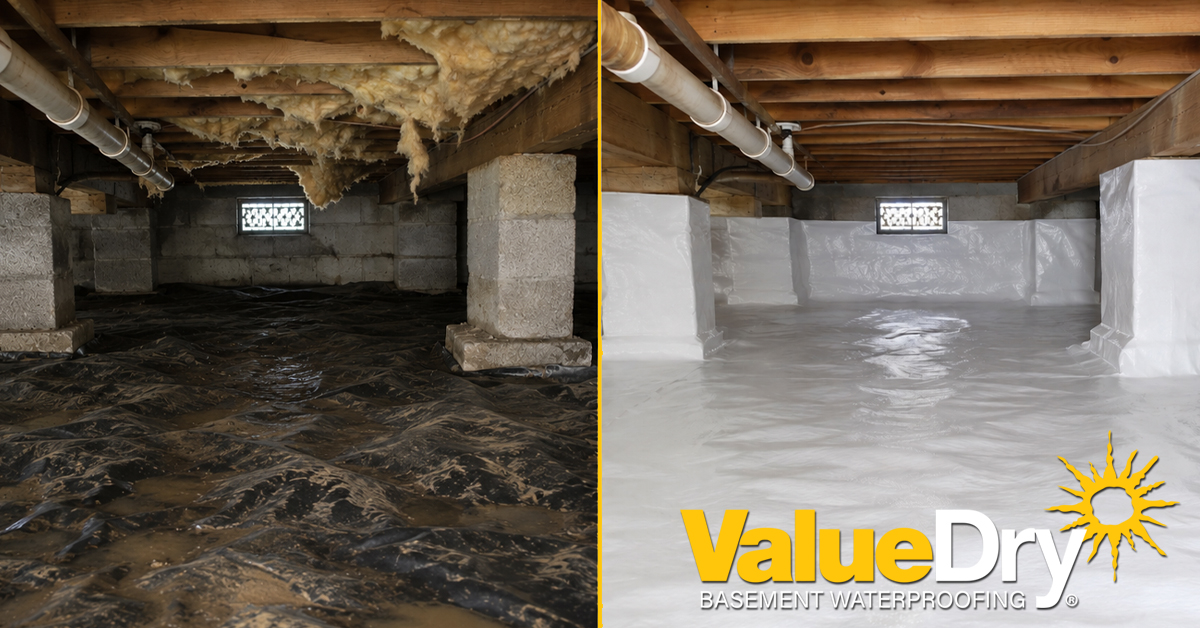
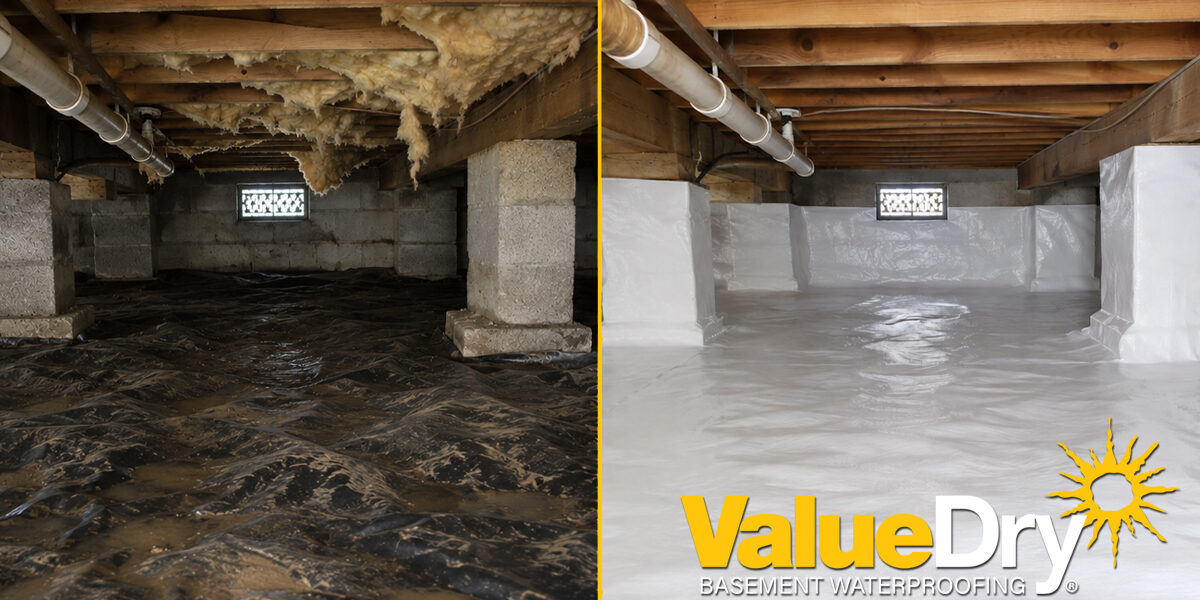
Vapor Barrier choices can shape your crawl space, air quality, and home comfort. Many homeowners use the terms interchangeably. However, a vapor barrier and crawl space encapsulation are not the same thing.
A vapor barrier is one part of a moisture control system. Encapsulation is the full system built around that barrier. It can include cleanup, drainage, sealing, insulation, humidity control, and maintenance.
That difference matters. A liner placed over dirt may look like progress. Still, it may not stop humidity, odors, pests, or active water problems. When Maryland moisture gets serious, partial fixes often fall short.
What Is A Vapor Barrier?
A vapor barrier is a sheet material used to slow the movement of moisture. In a crawl space, crews usually place it over exposed soil. Some installations also extend the material up foundation walls.
The goal is simple. It helps reduce ground moisture entering the crawl space air. Because dirt constantly releases moisture, covering it can help.
Better vapor barriers use thicker, more durable materials. They also need sealed seams and careful fastening. Otherwise, moisture can slip through gaps, tears, and loose edges.
A Vapor Barrier can help in a relatively dry crawl space. Yet it works best when the rest of the space is already controlled.
What Is Crawl Space Encapsulation?
Crawl space encapsulation is a more complete approach. It seals the crawl space from outside air and ground moisture. Then it manages water, humidity, insulation, and drainage together.
Professional encapsulation usually starts with an inspection. Technicians check moisture, standing water, insulation, vents, wood, and foundation areas. Next, crews remove old plastic, fallen insulation, debris, and unhealthy materials.
After cleanup, drainage matting is always added to provide a path for water. A sump pump may also move collected water away. Then the vapor barrier is installed across the floor and walls.
Seams, edges, posts, and piers are sealed carefully. Vents and air leaks are closed to keep humid air outside. Finally, insulation and humidity control complete the system.
We dig deeper in our Ultimate Guide to Crawl Space Encapsulation.
How Encapsulation Uses Vapor Barriers
Here is the most important point. Encapsulation does not replace a vapor barrier. Instead, it includes a Vapor Barrier as a key layer.
Think of the barrier as the moisture shield. Then think of encapsulation as the whole protective envelope. The full system supports drainage, sealing, comfort, and indoor air quality.
That is why the cheapest option can be misleading. A simple barrier may reduce moisture from dirt. However, it does not fix water entering through walls or foundation gaps.
Encapsulation looks at the entire crawl space. It asks how water enters, where air leaks occur, and which materials are at risk. That approach creates better long-term protection.
The Cons Of Vapor Barriers Only
A vapor-barrier-only installation can help, but it has limits. First, it often leaves crawl space vents open. Open vents can bring humid air inside after storms; it may collect under the liner. That hidden moisture can create odors during warm seasons.
Second, basic barriers do not manage standing water if there is ongoing dampness.
Third, low-cost liners can tear or shift. Service workers, pests, and uneven ground can damage weak materials. Once gaps appear, moisture finds its way back.
Fourth, vapor barriers alone do not insulate the crawl space. Cold air can still affect floors and pipes. Drafts can continue through rim joists and small openings.
Finally, barriers alone do not control humidity. Maryland summers bring damp air that can overwhelm simple plastic. Without dehumidification or sealing, problems may return.
When A Vapor Barrier May Be Enough
Some crawl spaces have minor moisture and good drainage. In those cases, a quality vapor barrier may help. Still, inspection should come first.
A professional can check whether water is active or seasonal. They can also look for wood damage and airflow issues. Then you can decide if a barrier is enough.
If your crawl space has standing water, odors, pests, or fallen insulation, look deeper. Those signs usually point toward encapsulation.
Signs You Need Encapsulation
Musty odors are a major clue. If the smell reaches living spaces, moisture may be moving upward. Cold floors can also point to air leakage and poor insulation.
Look for sagging insulation between joists. Wet insulation cannot perform well and may hold odors. Wood staining, rust, and pests can also signal trouble.
Standing water deserves fast attention. So does damp soil that never seems to dry. In those cases, a vapor barrier may hide the problem.
Which Option Is Better For Your Home?
The best choice depends on the condition of the crawl space. A dry, clean space may only need targeted improvements. However, a damp or drafty crawl space requires a more comprehensive plan.
Encapsulation usually offers stronger protection because it handles multiple causes. It blocks soil moisture, reduces outside air, improves drainage, and supports humidity control. Therefore, it often performs better over time.
A Vapor Barrier alone costs less upfront. Still, lower cost does not always mean better value. Repairs, odors, and repeated service can add up quickly.
How Value Dry Approaches Crawl Spaces
Value Dry Basement Waterproofing starts with a free inspection. Our inspectors look at the whole crawl space, not one symptom. Then we explain what we find in clear language.
With over 20 years of experience, our technicians deliver high-quality workmanship and lasting results. We offer competitive pricing, patented waterproofing products, and lifetime transferable warranties. Most installations are completed in one day, minimizing disruption.
Value Dry is fully licensed and insured. Financing options are available for qualified homeowners. We serve Central Maryland and Arlington, Virginia.
Protect Your Home From Below
Your crawl space matters, even when you never see it. A Vapor Barrier can help, yet encapsulation offers stronger protection for many homes. Value Dry can also help with basement waterproofing, sump pump installation, and foundation repair. We also offer indoor air quality solutions, egress windows, and annual maintenance plans. Contact us today to schedule your free inspection. Value Dry Basement Waterproofing will help you reclaim your space.