
Why Basement Waterproofing Matters During a Dry Winter
- February 13, 2026
- No Comments
A dry winter can feel like a break from basement worries. Many Maryland homeowners feel like they can relax when the rain stays away. That calm can be misleading. Winter still loads your soil with moisture. Then spring arrives, and problems show up fast.
Dry weather reduces puddles outside. However, it does not remove groundwater under your home. Moisture also comes from snow, ice, and daily temperature swings. Because of that, waterproofing still matters during Winter Months.
Dry Winter Does Not Mean Dry Basement
Groundwater sits below the surface year-round. Even during drought, soil holds water like a sponge. As a result, pressure can build against your foundation walls. Water always seeks the easiest path inside.
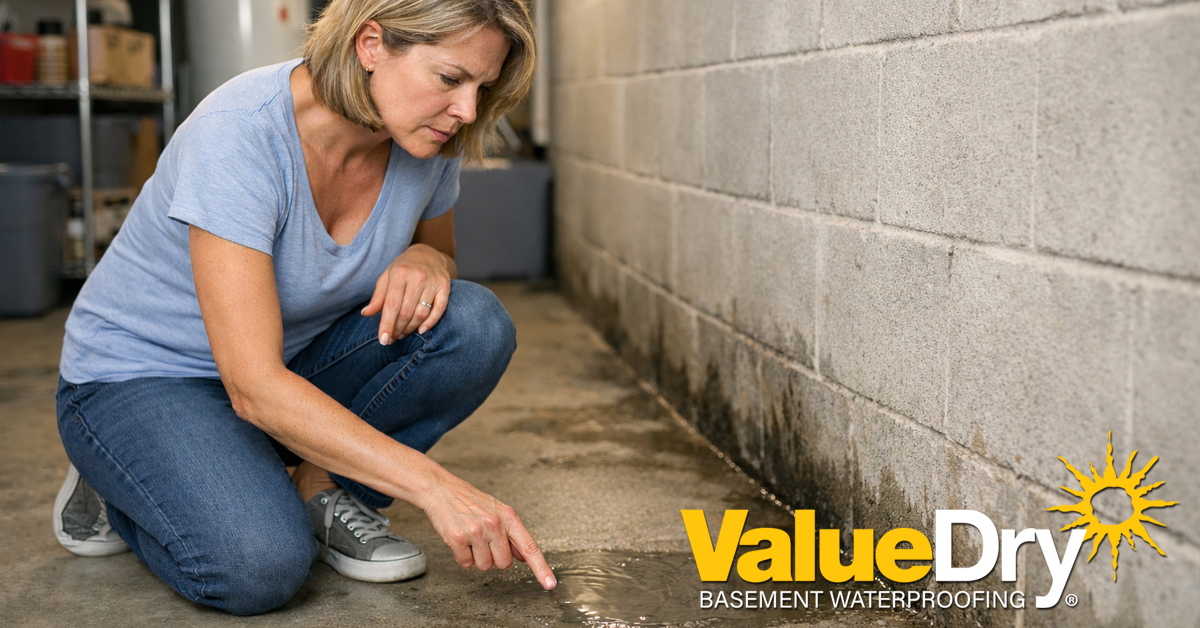
Some leaks start small in winter. Then the signs stay hidden behind stored boxes. Meanwhile, humidity can rise without obvious dripping. That damp air still feeds musty odors and mold.
Freeze and Thaw Creates New Paths for Water
Maryland winters often swing above and below freezing. Those swings drive repeated freezing and thawing in the ground. Consequently, the soil around your foundation expands and contracts. That movement stresses concrete, mortar, and joints. Possibly causing foundation damage.
Frozen water also grows in tiny cracks. Each freeze widens the crack a little. Next, the thaw leaves a larger pathway behind. Over time, small openings become reliable leak routes.
What Happens When Frozen Groundwater Thaws
Frozen ground acts like a lid on the soil. When the thaw begins, meltwater cannot soak in quickly. Instead, water flows across the surface toward low points. Your foundation often becomes that low point.
Thaw also releases water trapped in frozen soil. That extra moisture can raise the local water table. Therefore, hydrostatic pressure increases around basement walls and slabs. You may notice seepage at the cove joint.
Heavy Snow and Ice Melt Acts Like a Surprise Rainstorm
Snow looks harmless while it sits. Yet a deep snowpack stores a lot of water. Once temperatures rise, that water is released within a short window. The result can mimic a heavy spring rain.
Ice creates a different headache. Meltwater can refreeze at night, blocking drainage paths. The next melt event then forces water toward your home. In addition, frozen downspout lines can overflow near the foundation.
Repeated Below-Freezing Temperatures Add Stress
Extended cold spells keep parts of your yard frozen for weeks. That frozen layer slows infiltration and traps meltwater at the surface. So, water runs along the wall until it finds a weakness or existing foundation crack.
Cold also affects concrete and block. Temperature swings make materials expand and contract. Moreover, mortar joints can loosen over time. Small gaps can invite water and soil gases inside.
Winter Moisture Often Shows Up as Air Problems
Basements do not need standing water to suffer. Damp air can form when warm indoor air meets cold walls. Then condensation appears on pipes, ducts, and rim joists. This process keeps the air in your basement clammy.
Mold loves steady moisture. Even light condensation can support mold and mildew growth on wood and paper. Additionally, odors can spread upstairs through gaps and return air paths. Your home may feel colder and less comfortable.
Sump Pumps Need Winter Attention Too
A sump pump can save a basement during a melt event. Still, winter adds special risks to pump systems. Discharge lines can freeze and block the flow. That blockage can force water back into the pit.
Battery backups matter in storms. Power outages often arrive with heavy wind or ice. Therefore, testing the pump and backup now prevents panic later. A maintenance visit also catches worn switches and check valves.
Why a Maintenance Plan Helps During a Dry Winter
Dry months tempt homeowners to postpone maintenance. That delay can cost you when the weather shifts quickly. the Value Dry Protection Plan keeps your system ready for sudden melt. It also reduces surprise repairs during busy seasons.
Annual maintenance checks the sump pump, pit, and discharge. Technicians also inspect drains, liners, and seals. Furthermore, they confirm alarms and backups work as designed. You gain confidence before the next storm.
How Basement Waterproofing Protects You Year-Round
Basement waterproofing controls water, rather than chasing leaks. Interior drainage can collect seepage and safely route it. Then a sump pump moves that water away from your foundation. This approach prevents repeated wetting and damage.
Foundation crack repair also plays a role. Sealing cracks stops direct entry at common weak spots. In addition, proper window wells and covers reduce surface water issues. Dehumidification and vapor control can finish the system.
Maryland Tips for Winter Basement Protection
Start outside with simple water management. Clean gutters so meltwater does not spill near the wall. Next, extend or bury downspouts away from the foundation. Also, check grading so soil slopes away from the house.
Inside, watch for early warning signs. Look for efflorescence, rust stains, and peeling paint. Then, see if you notice musty smells after warm days. If you see condensation, consider airflow and humidity control.
What to Do Now Before the Next Thaw
Schedule a winter inspection while conditions are calm. Ask your inspector to check the cove joint and wall cracks. Also, request a sump pump test with water in the pit. Confirm the discharge line drains to a safe spot.
Consider adding a battery backup if you have a finished basement. Keep a dehumidifier running on mild winter days. Finally, document any damp spots with photos and dates. Those notes help pinpoint patterns later.
Why Homeowners Choose Value Dry Basement Waterproofing
Value Dry Basement Waterproofing provides affordable, reliable solutions throughout Maryland. With over 20 years of experience, our inspectors and technicians deliver lasting results. We focus on clear recommendations and high standards.
Competitive pricing keeps protection within reach. Patented waterproofing products provide performance you can trust. In addition, lifetime transferable warranties add long-term peace of mind. Many installations finish in one day. Ask about our Annual Maintenance Plan for ongoing protection.
Financing options can help you move forward today. Our team is fully licensed and insured for your protection. Moreover, customers value our dependable service and strong reputation. You get help from people who take your home seriously.
Ready to protect your basement this winter? Schedule an inspection with Value Dry and plan ahead.