
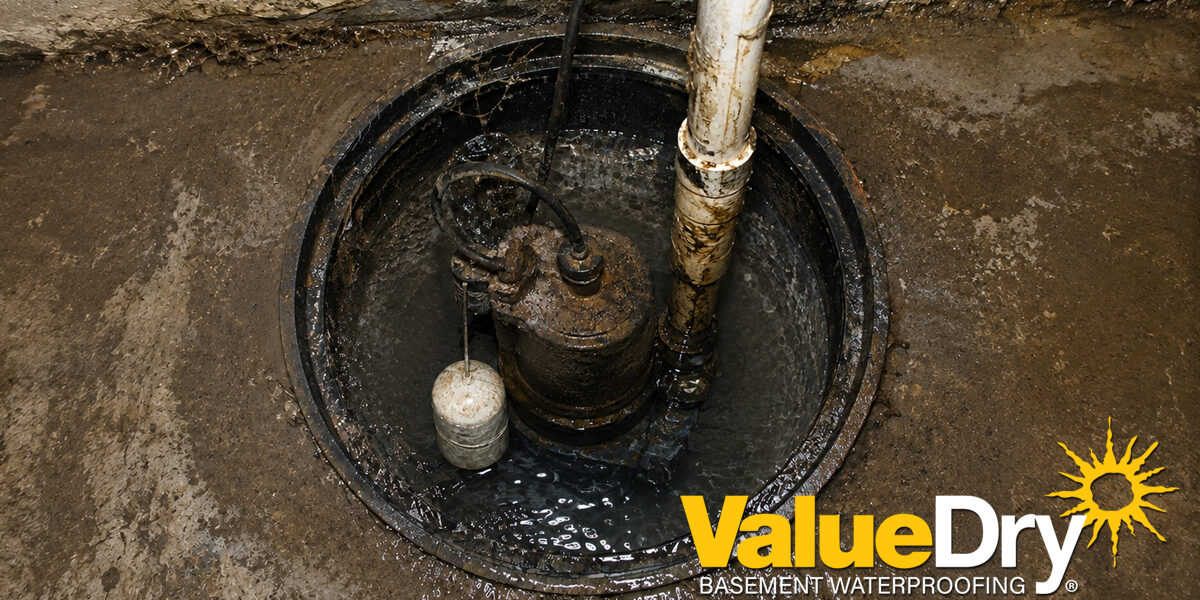
Why Is My Sump Pump Running Constantly?
- August 17, 2026
- No Comments
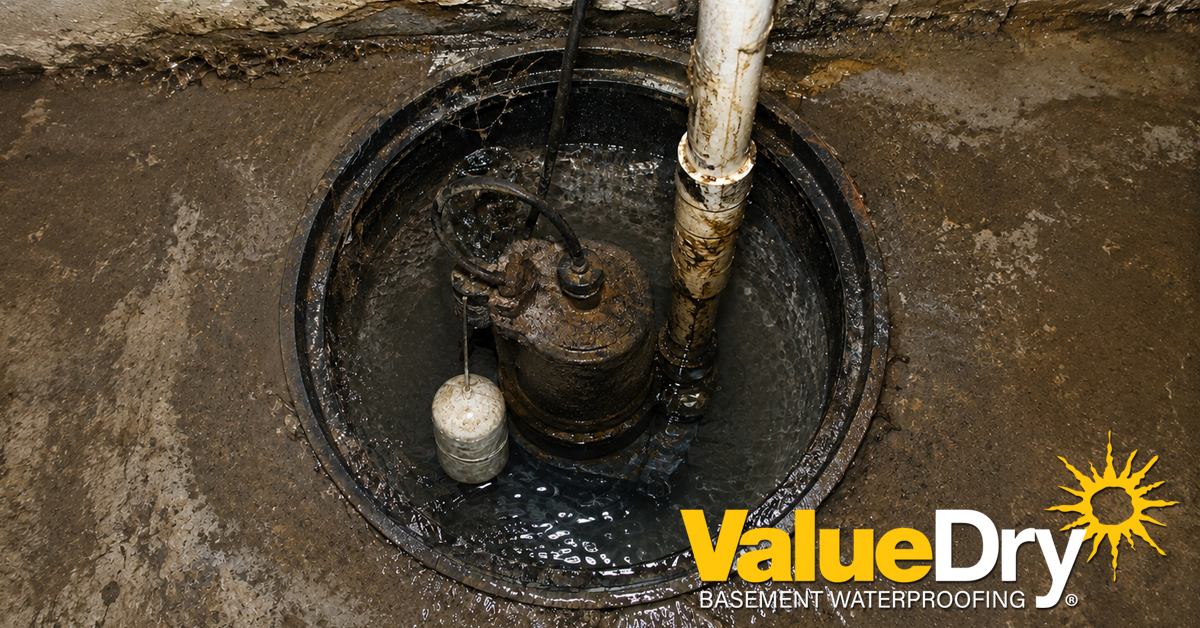
If you’ve noticed your sump pump running constantly, it’s natural to be concerned. In some cases, the pump is simply responding to heavy rain or high groundwater levels. In other situations, nonstop operation can point to a drainage issue, mechanical malfunction, or an overwhelmed system.
Your sump pump is designed to protect your basement by removing water that collects beneath your home. Under normal conditions, it should cycle on and off as water levels rise and fall. If it rarely shuts off, something in the system likely needs attention.
Identifying the cause early can help you avoid pump failure and potential basement flooding.
How Often Should a Sump Pump Run?
There is no universal “normal” cycle rate for every home. Pump activity depends on weather, soil conditions, groundwater levels, and your waterproofing system’s design. During heavy rain or rapid snowmelt, frequent operation is expected. Homes with high water tables may also cycle regularly even during dry periods.
However, a sump pump running continuously during extended dry weather is not typical and should be inspected.
1. High Groundwater Levels Are Feeding the System
Groundwater doesn’t immediately drop when the rain stops. It moves slowly through soil and can remain elevated for days or even weeks. Homes in low-lying areas or regions with naturally high water tables often experience ongoing water intrusion. As a result, the sump pump may continue running even when the weather is clear.
A properly designed system should manage this condition, but constant operation may indicate the pump is undersized or nearing the end of its service life.
2. Hydrostatic Pressure Around the Foundation
Hydrostatic pressure occurs when saturated soil pushes water toward and against your foundation walls and floor. Interior drainage systems relieve this pressure by collecting groundwater and directing it to the sump pit. From there, the pump removes it from the home.
When groundwater levels rise, your sump pump will run more frequently. In many cases, this means the system is doing its job—but it must be able to handle the volume.
3. A Stuck or Malfunctioning Float Switch
The float switch controls when your sump pump turns on and off. As water rises, the float lifts and activates the pump. When water drops, it should lower and shut the system off. If the float becomes stuck due to debris, misalignment, or contact with the pit wall, the pump may continue running even when water levels are low.
This is a common issue and can usually be corrected with a simple inspection and adjustment.
4. The Sump Pump May Be Undersized
If your pump is too small for the amount of water entering the system, it may run almost nonstop during wet conditions. Pump capacity must match your home’s drainage demands. Larger homes, heavy soil saturation, or high groundwater conditions may require a higher-capacity pump or a dual-pump system.
An undersized pump not only struggles to keep up – but it also wears out faster.
5. A Clogged or Restricted Discharge Line
The discharge line carries water away from your home after the pump moves it out of the sump pit. If debris, sediment, ice, or damage blocks this line, water cannot exit efficiently. This forces the pump to work harder and run longer.
In colder climates like Maryland, frozen discharge lines are a common winter issue and can quickly strain the system.
6. Improper Discharge Location
Where your sump pump releases water matters. If the discharge point is too close to your foundation, the water may flow back toward the home and re-enter the drainage system. This creates a continuous cycle of pumping the same water.
Proper discharge should carry water well away from the foundation through grading or extended piping.
7. A Failed or Missing Check Valve
A check valve prevents pumped water from flowing backward into the sump pit. If the valve fails or is missing, water can return after each cycle. This causes the pump to restart repeatedly, increasing wear and energy use.
A faulty check valve often results in short, frequent cycling or the sound of water returning after shutdown.
Why Is My Sump Pump Running When It Hasn’t Rained?
This is a common concern for homeowners. The answer is simple: groundwater does not follow surface weather conditions. Rain from previous days, snowmelt, or regional drainage patterns can continue feeding water into the soil long after skies clear.
In Maryland, soil often retains moisture below the surface, meaning your sump pump may stay active even during dry weather. If this continues for long periods, a professional inspection is recommended.
Can a Sump Pump Burn Out From Constant Running?
Yes. Like any mechanical system, sump pumps experience wear over time. Continuous operation increases heat, strain, and component fatigue.
If a pump runs nonstop for extended periods, it may overheat or fail unexpectedly—often during the worst possible conditions. This is why backup systems are strongly recommended. A battery backup sump pump can protect during power outages or primary pump failure.
How a Complete Basement Waterproofing System Works
A sump pump is only one part of a full waterproofing system.
A properly designed system typically includes:
- Interior perimeter drainage to collect groundwater
- A sump basin to gather water
- A sump pump to remove water from the home
- Discharge piping to direct water away from the foundation
- Crack sealing for targeted entry points
- Vapor barriers to reduce wall moisture
- Battery backup systems for emergency protection
- Alarm systems for early warning
Together, these components work as a coordinated system to manage water before it becomes a problem.
What Does Basement Waterproofing Cost?
Costs vary based on basement size, the severity of water intrusion, and system requirements.
- Minor sump pump repairs are typically the lowest cost
- Pump replacements vary depending on equipment and setup
- Interior drainage systems often range into the several-thousand-dollar range
- More complex water issues or foundation repairs can increase total cost
Because every home is different, Value Dry always begins with a free inspection to determine the exact cause and recommend the right solution.
Why Annual Maintenance Matters
Your waterproofing system is most important during storms—exactly when you don’t want it to fail. Over time, sump pits can collect debris, floats can stick, batteries weaken, and discharge lines can become restricted.
Annual maintenance helps ensure everything is working properly before heavy rain arrives. Technicians can test pumps, check valves, alarms, drainage systems, and backup equipment.
If your sump pump is running constantly or behaving differently than usual, it’s best not to wait for failure.
Sump Pump FAQ
Why Is My Sump Pump Running Every Few Minutes?
This usually indicates high water volume entering the pit or a mechanical issue such as a stuck float or faulty check valve.
Should My Sump Pump Run When It’s Not Raining?
It can. Groundwater and soil moisture often remain elevated long after rainfall ends.
Is It Normal For A Sump Pump To Run Continuously?
Not typically. Continuous operation usually signals high groundwater, an undersized pump, or a system issue.
Why Won’t My Sump Pump Shut Off?
A stuck float switch, high water levels, or mechanical failure may prevent it from shutting off.
Can Discharge Lines Freeze?
Yes. In cold weather, improperly installed or exposed lines can freeze and restrict water flow.
Why Does Water Return To The Sump Pit?
A failed check valve or poor exterior drainage can allow water to flow back into the system.
Do I Need A Battery Backup Sump Pump?
Yes, especially in areas with storms or power outages. Backup systems provide critical protection.
How Often Should A Sump Pump Be Inspected?
At least once per year, with periodic homeowner testing between service visits.
When Should I Replace My Sump Pump?
If it is aging, running constantly, making unusual noises, or showing reduced performance, you may need to replace it.
Does Value Dry Offer Free Inspections?
Yes. Value Dry provides free inspections to evaluate your sump pump and full waterproofing system.
Protect Your Basement Before a Failure Happens
A sump pump running constantly is a warning sign you shouldn’t ignore. Whether the cause is groundwater, drainage issues, or equipment failure, early diagnosis can prevent costly damage.
Value Dry Basement Waterproofing brings over 20 years of experience serving Central Maryland and Arlington, Virginia. We are fully licensed and insured, and we offer competitive pricing, financing options, patented waterproofing systems, and lifetime transferable warranties on qualifying installations.
In addition to sump pump services, we provide basement waterproofing, foundation repair, crawl space encapsulation, egress windows, and indoor air quality solutions. Our annual protection plan helps keep your system ready when storms arrive.
Schedule your free inspection today and find out exactly why your sump pump won’t stop running.