
It’s Raining in Your Crawl Space: How to Reduce Crawl Space Condensation
- July 17, 2026
- No Comments
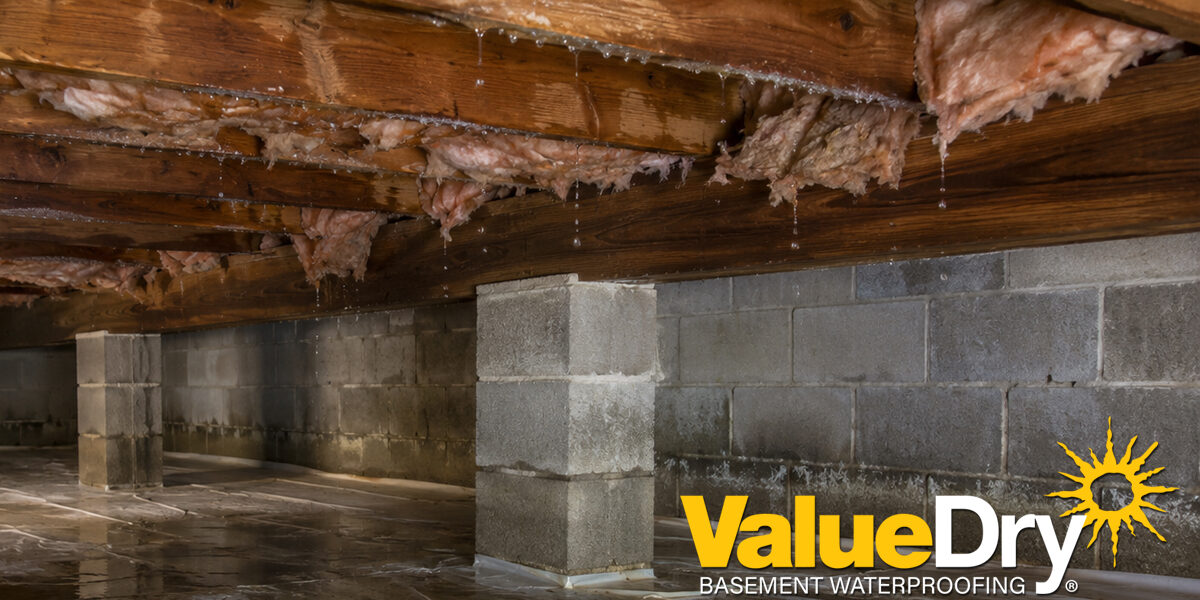
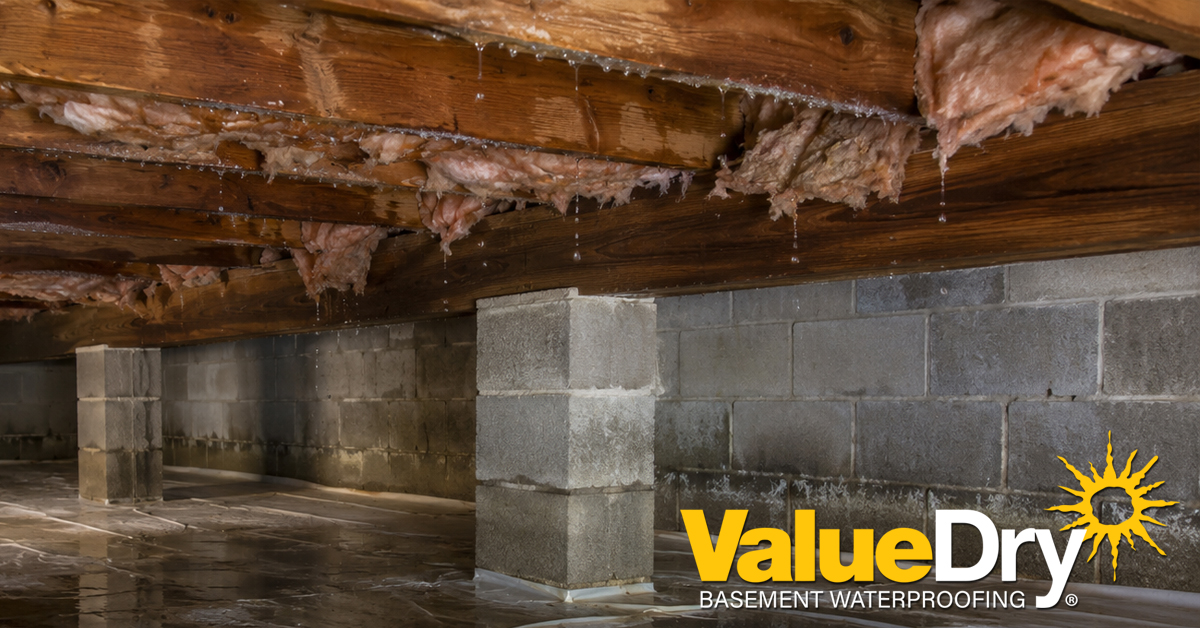 If crawl space condensation makes it look like rain under your home, Maryland humidity may be the reason. Many homeowners open their crawl space and see wet joists, damp insulation, or water droplets. At first, it feels confusing. After all, there may be no plumbing leak or standing flood.
However, humid air can create plenty of moisture on its own. When warm Maryland air enters a cooler crawl space, condensation forms on cold surfaces. Then that moisture collects on floor joists, pipes, ducts, and insulation. Eventually, droplets fall to the ground like light rain.
That is why crawl space condensation should never be ignored. It can affect comfort, indoor air quality, insulation performance, and your home’s structure.
Why Maryland Crawl Spaces Sweat
Maryland summers bring heavy humidity. Central Maryland homes often deal with warm, moist outside air. When that air enters through vents, gaps, or loose access doors, it cools quickly.
Next, the moisture in the air turns into water droplets. This usually happens on floor joists, subfloors, ductwork, and pipes. Because those materials stay cooler, they attract condensation.
Think about a cold glass outside in July. Water beads on the outside because humid air touches the cold surface. Your crawl space can do the same thing below your home.
Why It Looks Like Rain Under Your House
Once enough condensation forms, it starts to drip. That dripping can make the crawl space floor look wet. Homeowners may assume groundwater is coming up from below.
Sometimes, groundwater is part of the problem. Still, condensation can create its own moisture cycle. Wet surfaces raise humidity, and higher humidity creates more droplets.
Over time, this cycle keeps your crawl space damp. That dampness can spread into insulation, wood, and the air above.
What Crawl Space Condensation Does to Insulation
Insulation works best when it stays dry and fluffy. Moisture changes quickly. Wet insulation compresses, sags, and loses performance.
Fallen insulation is a common crawl space warning sign. Once it absorbs moisture, it becomes heavy. Then gravity pulls it away from the floor above.
After insulation fails, your floors may feel colder. Rooms may feel draftier. Your HVAC system may also work harder to keep up.
Wet insulation can also hold odors. Worse, it can create a comfortable home for pests and mold growth.
Mold and Mildew Love Damp Crawl Spaces
Mold and mildew need moisture to grow. A damp crawl space gives them the perfect environment. Wood, paper backing, dust, and insulation can all support growth.
Floor joists and subfloors deserve special attention. These structural materials sit directly above the crawl space. If they stay damp, they can stain, soften, or decay.
Mildew can also create persistent odors. Those smells rarely stay below the house. They often move upstairs through gaps, ducts, and floor openings.
How Crawl Space Moisture Affects Indoor Air Quality
Your home breathes from the bottom up. Air from the crawl space can move into living areas. This movement is sometimes called the stack effect.
When crawl space air smells musty, upstairs air can smell musty too. Moisture can carry odors, allergens, and mold spores into your home. As a result, your family may notice stale air or allergy-like symptoms.
Indoor air quality matters because you breathe it every day. A dry crawl space can support a fresher, healthier home. It can also reduce the mysterious smell you cannot find.
Musty Smells Are a Warning Sign
A musty smell means moisture is present somewhere. It may come from damp insulation, wet wood, mold, or soil moisture. Even without visible water, odors deserve attention.
Some homeowners use candles, sprays, or plug-ins to cover smells. That only hides the symptoms. The source usually stays active below the home.
If the smell returns after cleaning, check the crawl space. It may be telling you something important.
Why Ventilation Alone May Not Solve It
Old advice often said crawl spaces should stay vented. In humid climates, that advice can backfire. Open vents allow warm, moist air to enter all summer.
Once that air meets cooler surfaces, condensation forms; more ventilation can actually bring in more moisture. That makes the crawl space wetter, not drier.
Mechanical ventilation may help in certain systems. However, it should be part of a controlled plan. Random airflow rarely solves moisture by itself.
Why Vapor Barriers Are Not Enough
A vapor barrier can help reduce ground moisture. It covers the soil and slows moisture from rising upward. That makes it an important crawl space tool.
Still, a vapor barrier alone does not stop humid outside air. It also does not fix standing water, open vents, or wet insulation. If gaps remain, moisture keeps entering.
Many basic vapor barriers tear, shift, or leave seams open. Once that happens, moisture finds a path. Therefore, vapor barriers work best inside a complete encapsulation system.
How Crawl Space Encapsulation Helps
Crawl space encapsulation creates a controlled environment under your home. It usually includes cleanup, drainage planning, vapor barrier installation, vent sealing, insulation, and humidity control.
First, crews remove old plastic, debris, and damaged insulation. Next, they address water movement and drainage concerns. Then they install a durable vapor barrier across the floor and walls.
After that, they seal vents and air leaks. This limits humid air from entering. Finally, a dehumidifier or ventilation system may help maintain proper humidity.
Encapsulation tackles crawl space condensation from several angles. It blocks ground moisture, reduces humid air, and helps protect wood and insulation.
When to Schedule a Crawl Space Inspection
Schedule an inspection if you notice musty smells, cold floors, or high humidity. Also, call if you see fallen insulation, wet joists, or mold growth. These signs usually get worse without action.
A professional inspection can identify the moisture source. Sometimes the issue is condensation. Other times, drainage, plumbing, or foundation seepage may contribute.
Value Dry Basement Waterproofing always offers free inspections. Our team explains what we find in clear, simple language. Then we recommend the right next step for your home.
Crawl Space Encapsulation FAQ
What Causes Crawl Space Condensation?
Warm, humid air enters the crawl space and touches cooler surfaces. Then moisture turns into droplets on wood, ducts, and pipes.
Is Crawl Space Condensation Serious?
Yes, it can damage insulation, support mold growth, and affect indoor air quality. It can also harm wood over time.
Why Does My Crawl Space Smell Musty?
Musty smells usually come from moisture, mold, mildew, or damp materials. The odor can move upstairs into living spaces.
Can A Vapor Barrier Stop Condensation?
A vapor barrier helps block ground moisture. However, it cannot stop humid air without sealing and humidity control.
Should Crawl Space Vents Stay Open In Maryland?
Open vents can bring humid air inside during warm months. Many homes perform better with sealed, controlled crawl spaces.
Does Encapsulation Help With Cold Floors?
Yes, encapsulation can reduce drafts and improve insulation performance. Many homeowners notice better comfort upstairs.
Will Encapsulation Remove Mold?
Encapsulation helps control moisture that supports mold. Existing mold may need cleaning or remediation first.
How Do I Know What Solution I Need?
A free crawl space inspection is the best first step. It identifies condensation, drainage, insulation, and air quality concerns.
Protect Your Home From the Ground Up
Your crawl space should not feel like a rain cloud under your home. Value Dry Basement Waterproofing provides affordable, reliable solutions throughout Maryland and Arlington, Virginia. With over 20 years of experience, our licensed and insured team delivers long-lasting results.
We can help with crawl space encapsulation, basement waterproofing, sump pump installation, foundation repair, egress windows, indoor air quality solutions, and annual maintenance plans. Schedule your free inspection today and get clear answers before moisture spreads.